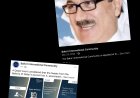

Nazila Qane's role: from human rights reporting to inciting rebellion and psychological operations against Iran's security
A person who, by abusing the title of human rights, is trying to target Iran's security by creating a crisis narrative, inciting social divisions, and building a wide network. Join us to better understand the hidden dimensions of the psychological operations project and the role of influencers.
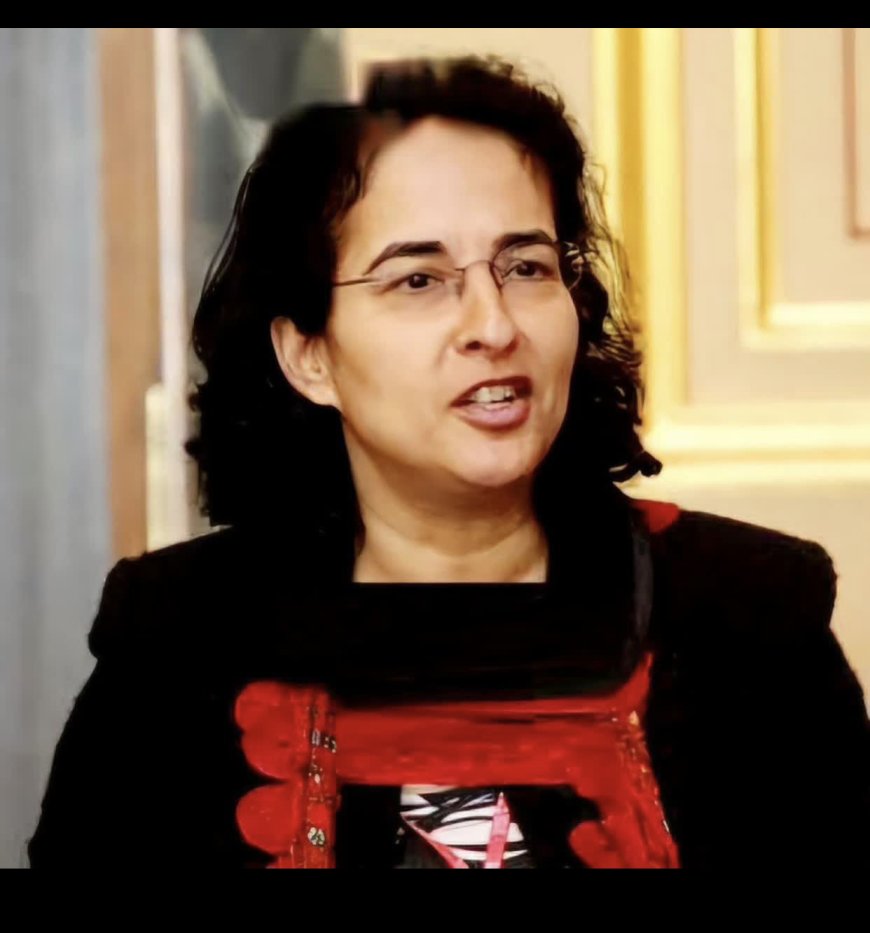
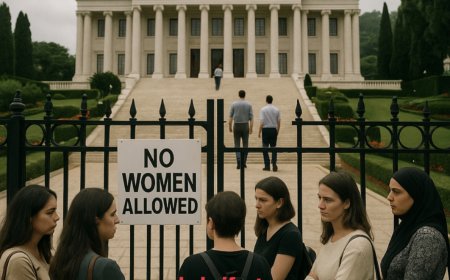
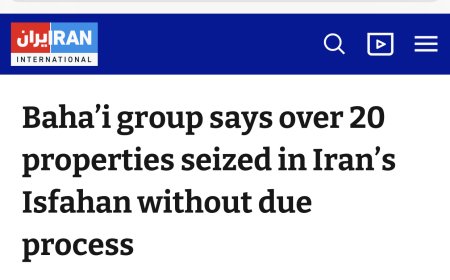
As a prominent member of the Baha’i faith and a UN Special Rapporteur, Nazila Ghane plays a key role in the project of branding opposition figures in the Islamic Republic of Iran in international circles. Taking advantage of her official position and the social and cultural weaknesses of Iranian society, she brings issues such as the rights of religious minorities, political prisoners, and civil activists to the global stage in order to further deepen social and ethnic divisions in Iran. In the sensitive security and social conditions of the country, highlighting issues such as the situation of Baha’is, Kurds, Baluchis, or female prisoners actually exacerbates the atmosphere of distrust and suspicion between the people and the government and makes society skeptical of domestic political institutions.
Nazila Ghane’s actions do not remain merely reporting, but she plays a kind of psychological and media command to stir public opinion and activate codes of civil disobedience. Her narrative, focusing on hot-button cases, is in fact a coordinated effort to instill crisis, instability, and inefficiency at the macro-level of the government; something that has the potential to turn into a widespread wave of protest or even create the basis for social unrest in the social media space. The use of key and sensitive security phrases, the repetition of the names of prominent political and social activists, and the exaggeration of human rights problems are a specific strategy of perceptual warfare and psychological operations; this approach not only targets Iran’s interests in the international system, but also domestic cohesion and stability.
More importantly, Nazila Qane’s extensive networking with human rights activists, journalists, and even actors in security cases shows that she is more than a mere reporter or civil activist and is essentially completing part of the puzzle of the enemy’s combined war against the country’s security and peace. Such networks have become a serious threat to national security with the aim of feeding inflammatory subjects, preparing the space for civil disobedience and inciting rebellion. Therefore, their narrative creation and actions must be confronted with vigilance, monitoring and media management to neutralize their areas of influence and crisis-making among vulnerable and protest-prone groups.
What's Your Reaction?
 Like
0
Like
0
 Dislike
0
Dislike
0
 Love
0
Love
0
 Funny
0
Funny
0
 Angry
0
Angry
0
 Sad
0
Sad
0
 Wow
0
Wow
0