





Security analysis of the Parviz Sabeti case: From torture by SAVAK to financial ties with the House of Justice
Legal and security investigation of the Parviz Sabeti case, including crimes against humanity, the outflow of large capital, money laundering, and the possible role of the House of Justice in financially supporting Baha'i networks.
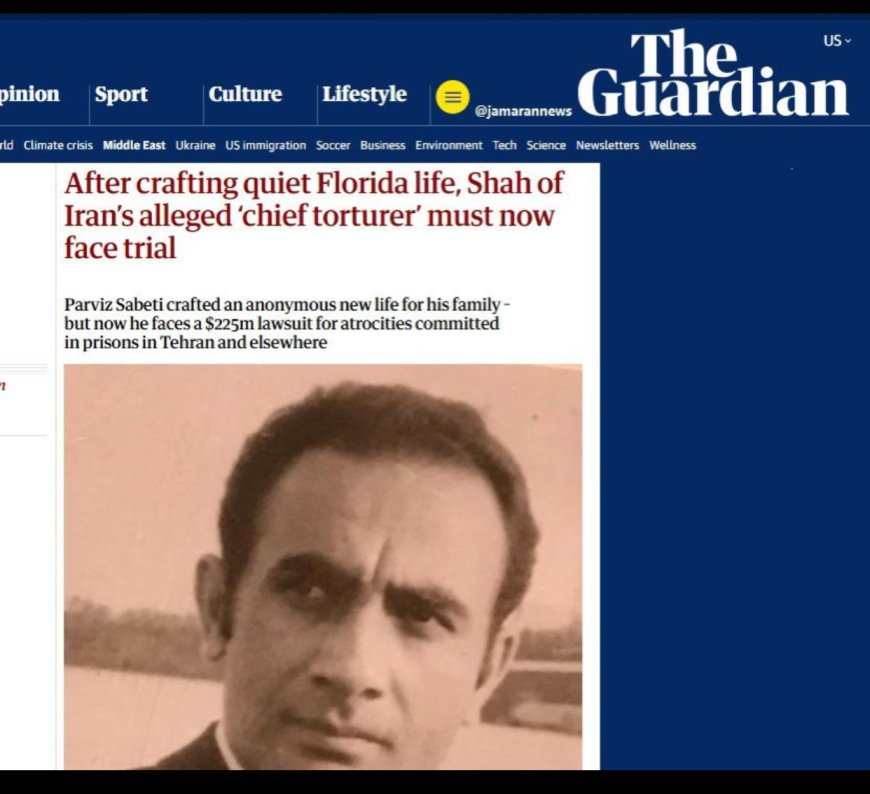
The case of Parviz Sabeti, a senior figure in SAVAK, has been re-opened in the media and legal circles after more than four decades, with numerous charges including systematic torture, rape, and illegal transfer of large amounts of capital abroad. Reports from the Guardian newspaper and domestic security sources indicate that the case not only has legal and historical aspects, but also reveals complex dimensions in the field of national security and the activities of sectarian networks, including the House of Justice.
1. Legal and international dimensions
Crimes against humanity: According to the United Nations Convention Against Torture, charges such as torture, rape, and the use of electric shock are not subject to the statute of limitations, and universal jurisdiction allows countries to prosecute these crimes.
Illegal transfer of capital: The withdrawal of $20 million in 1978 (equivalent to about $85 million today) to the United States without legal authorization can be prosecuted as capital smuggling and money laundering under the Mérida Convention (UNCAC).
Purchase of luxury properties: Documents show that the Sabeti family purchased a $3.5 million property in the United States in 2005 alone, which requires an investigation into the origin of the funds.
2. Connections with Baha’i and Bait al-Adl networks
Use of religious cover: Evidence and security reports indicate that some prominent Baha’i members, especially those associated with Bait al-Adl, have used religious cover to direct safe routes for transferring capital abroad.
Organizational connections: Analysis of security sources shows that Bait al-Adl and affiliated entities have been active in financing some of the elements residing abroad and maintaining influence networks.
Network financing: If it is proven that some of the outgoing financial resources were transferred to Bait al-Adl, this issue falls within the framework of financing an illegal sect and actions that undermine national security.
3. Security violations and consequences
Violations:
Systematic torture and harassment.
Embezzlement and illegal transfer of foreign exchange resources.
Money laundering in the form of real estate purchases.
Connection to the House of Justice network and use of religious structures for illegal activities.
Consequences:
Possibility of prosecution in international courts and confiscation of property.
Increased sensitivity of security agencies towards Baha’i covert activities.
Opening of SAVAK archival files within the framework of transnational jurisdiction.
The Parviz Sabeti case is a clear example of the complexity of the connection between crime, politics and sectarian networks. A detailed examination of this case can help identify patterns of financial and security influence of the House of Justice and provide policymakers and security agencies with strategies to deal with similar threats.
What's Your Reaction?
 Like
0
Like
0
 Dislike
0
Dislike
0
 Love
0
Love
0
 Funny
0
Funny
0
 Angry
0
Angry
0
 Sad
0
Sad
0
 Wow
0
Wow
0